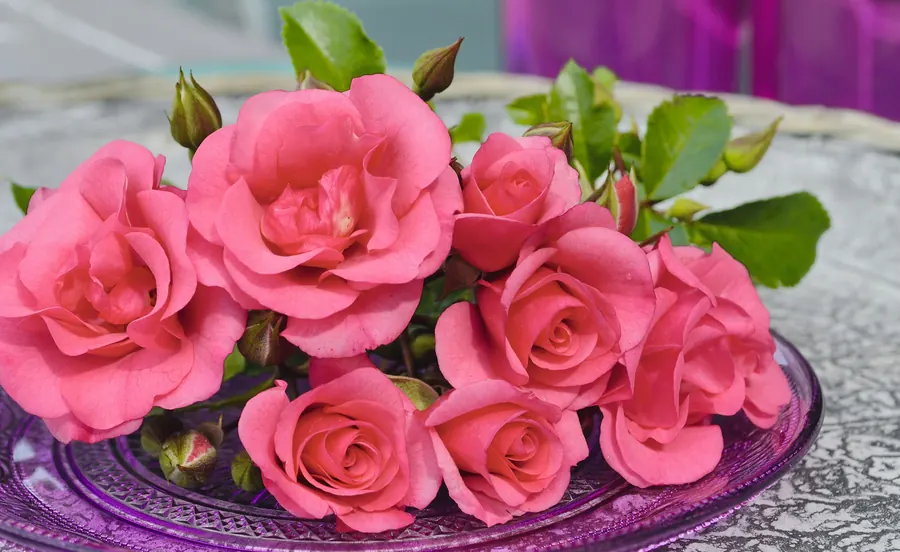
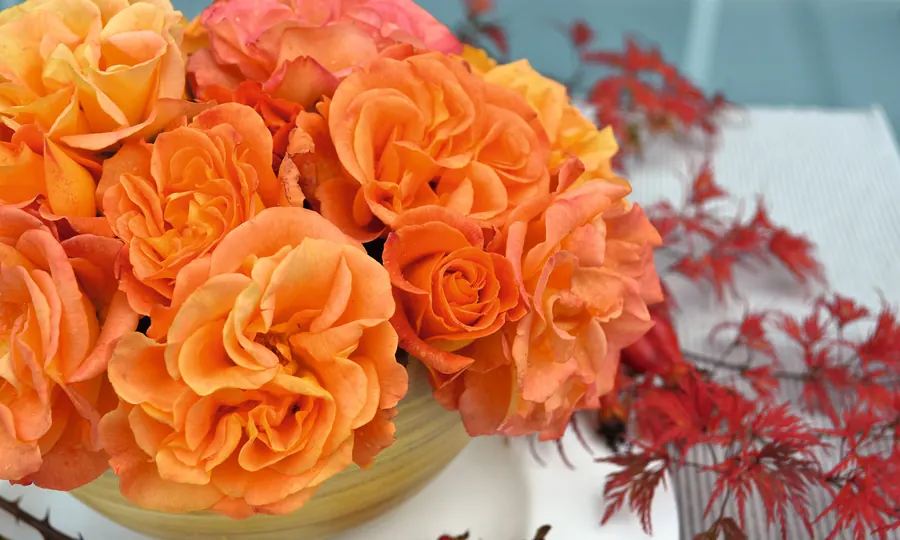
We are a third-generation family run business growing over 1.5 million roses for the UK garden centre market. Our nurseries are in Norfolk’s Waveney Valley, close to the Suffolk border. Our mission is to supply the very best roses to plant retailers throughout the UK. We do this by combining industry leading production methods with the rigorous trialling of new varieties from around the world.
Whartons Nurseries was founded in 1947 by John Wharton and is now run by his son Robert and grandson Paul. John started his working life with Morse Roses near Norwich before striking out on his own, renting greenhouses and a corner shop in Harleston, where he sold fruit and vegetables while growing tomatoes and flowers on the nursery. The Second World War halted his early rose crops as food took priority, but John was allowed to keep enough propagating material to launch Whartons Nurseries Ltd after the war ended.
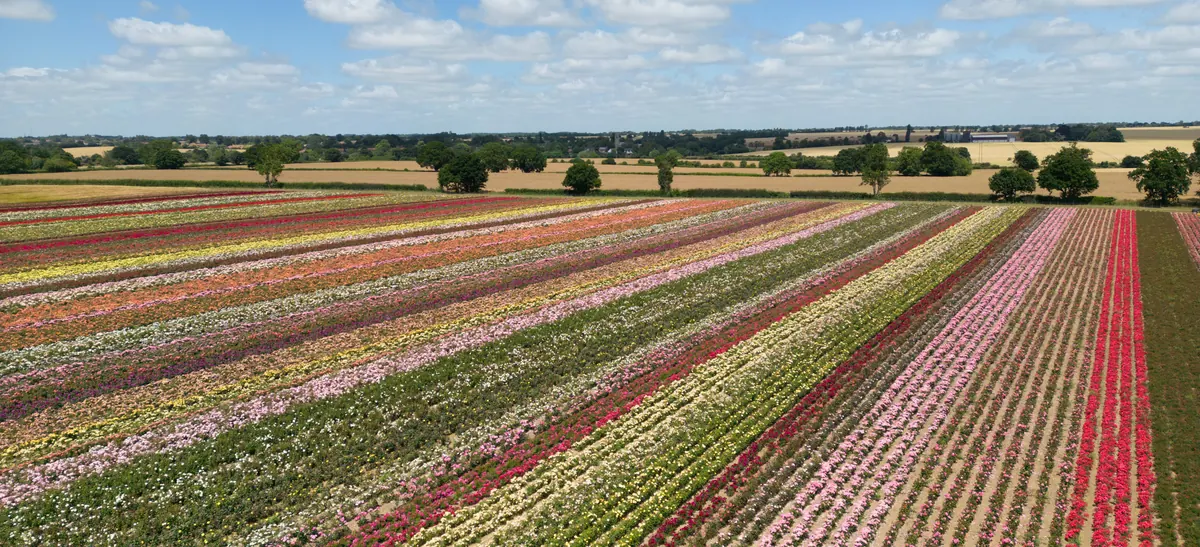
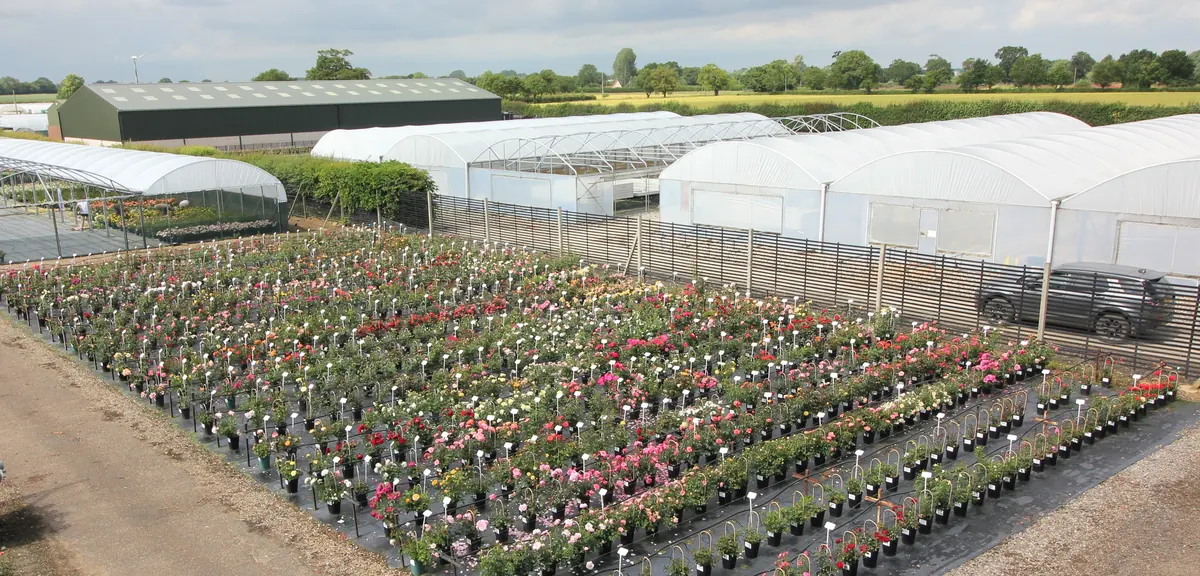
Today Whartons is the UK’s largest grower of garden roses. Field production covers over 60 hectares at any one time, with three production sites taking the field grown roses through grading, potting and despatch. We grow over 300 varieties, supplying a comprehensive range of bush, climbing, rambling, patio and shrub roses.
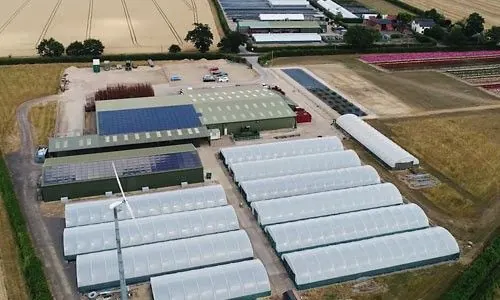
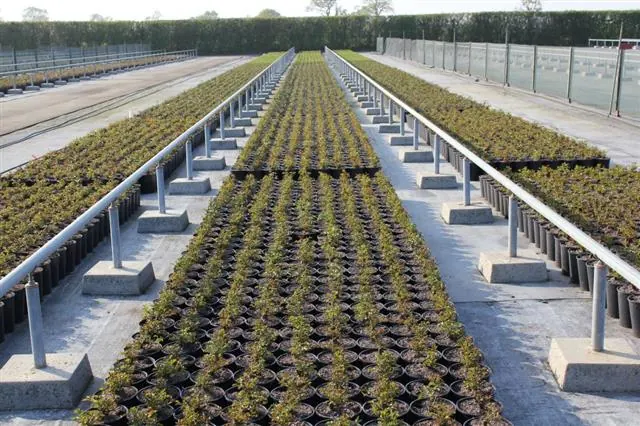
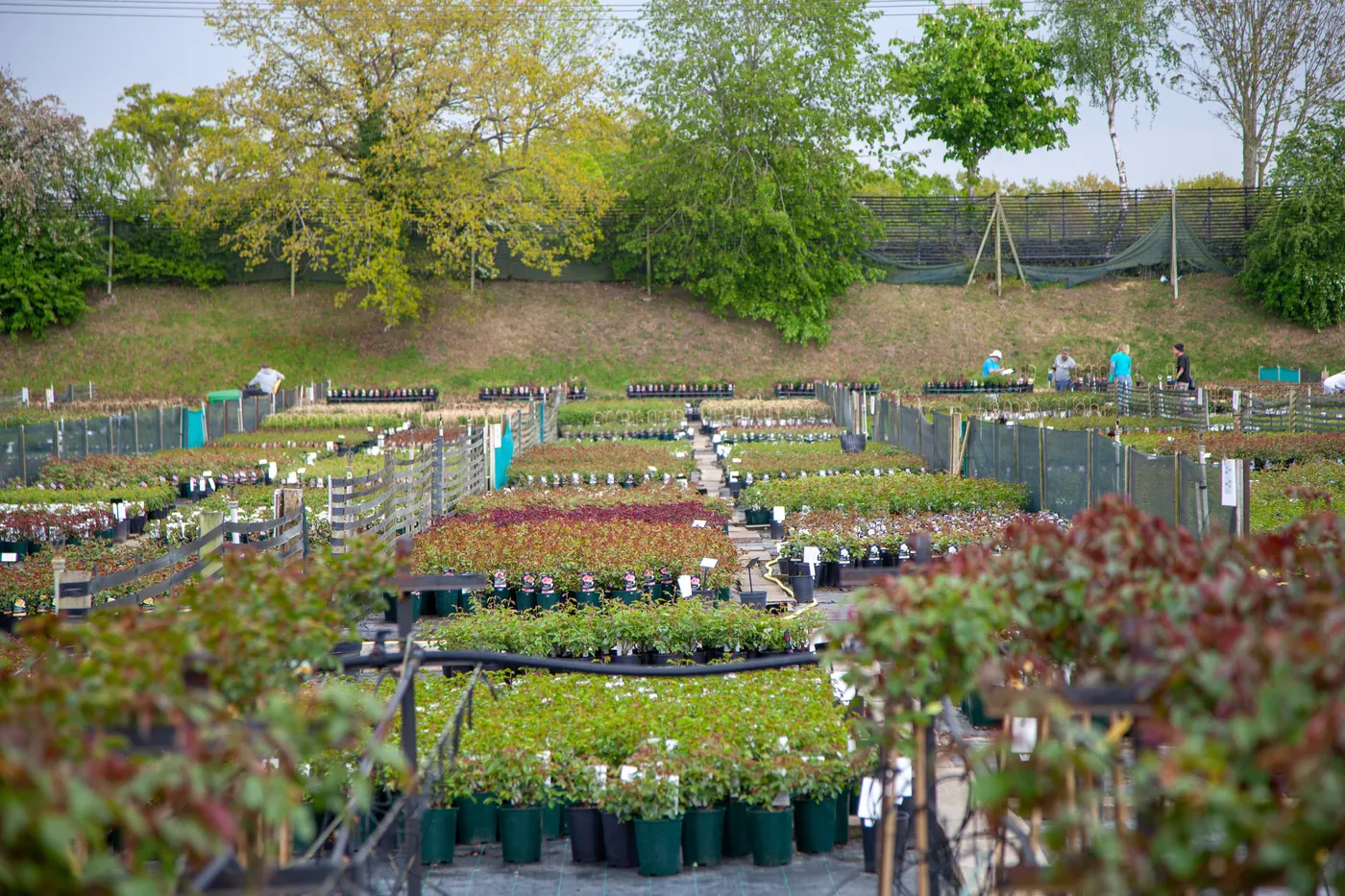
Our South Green nursery at Pulham St. Mary.
Our range
From heritage classics to new introductions and award winners, you will find only the best varieties in the Whartons range, all grown in our rose fields here in Norfolk. Select a rose to see its size, fragrance and where it grows best.
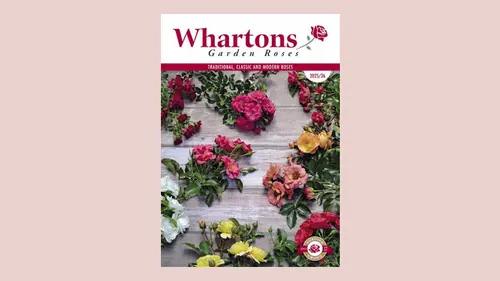
These are some of the roses we grow. Our full range of over 300 varieties, including bush, climbing, rambling and shrub roses, is in the season catalogue. Trade customers can place orders in the trade area.
Award winning varieties bred and tested for their health and fragrance. As well as making superb garden and patio container plants, they’re great for home grown cut flowers as they quickly repeat flower once cut. Perfect for easy, informal flower arrangements: grow your own veg? Now you can grow your own bouquets.
Living Gift roses
There’s a rose to mark every occasion. They make wonderful gifts, flowering each year, and most are happy in patio containers so they’ll find a home in the smallest of spaces. With a super-sized ‘With Love’ gift label and colourful pot wrap, there’s no tricky gift wrapping either.
Patio roses
Patio roses are perfect for brightening up small outdoor spaces: compact, easy to care for and with a long flowering season. Growing to around 30 to 50cm, their flowers are miniature versions of the much-loved hybrid tea and floribunda roses. We offer Europe’s biggest range of patio roses, but only the very best varieties make it into our summer collection.
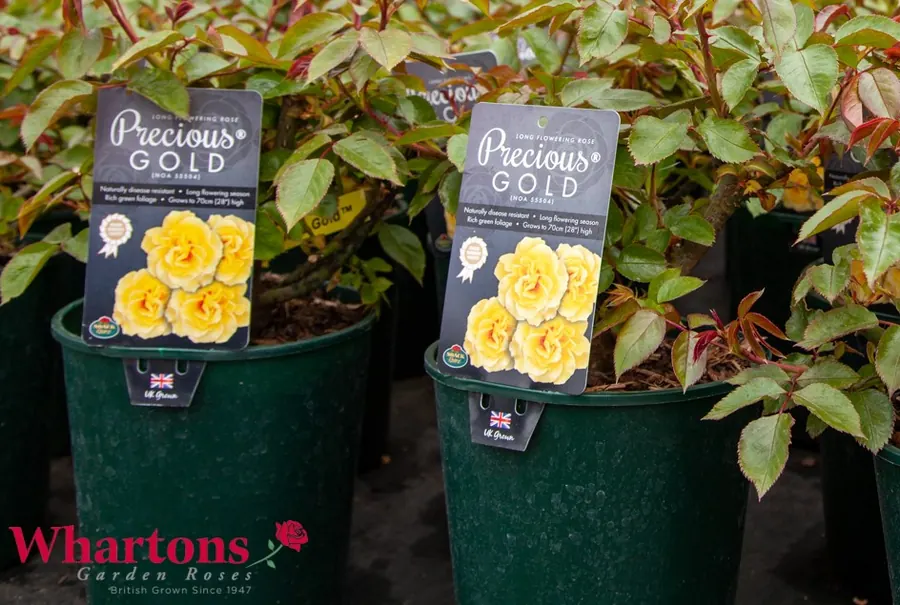
Precious® roses
These award-winning varieties deserve to be a summer staple with their boundless blooming. Super healthy, they are ideal for patio pots or filling gaps in beds and borders, and great for massed planting. Quick to repeat flower, they are in colour from May to the first frosts, and they make stunning standards too.
Flower Carpet® roses
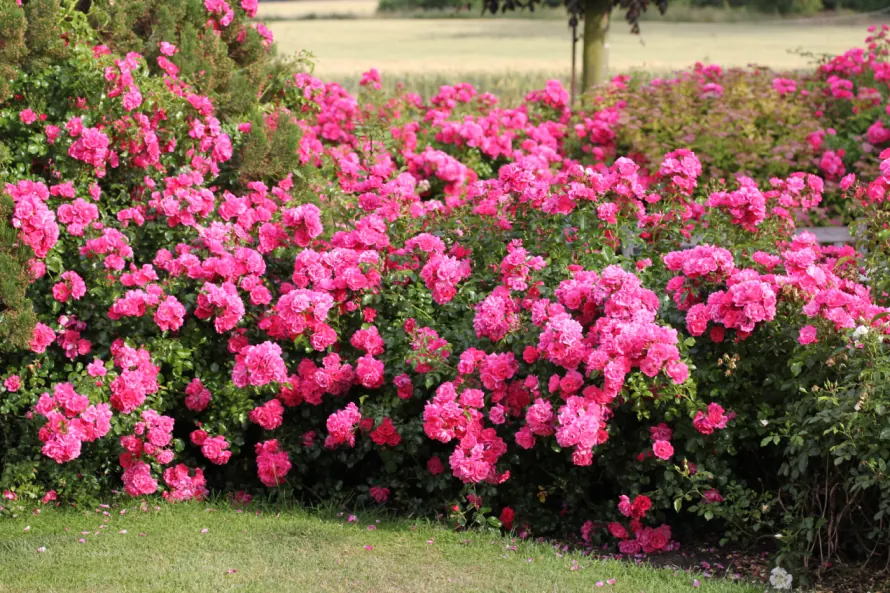
Over 25 million Flower Carpet roses have been sold worldwide since the launch of the original, best-selling pink. Available in a range of colours, they’re super healthy, easy care, resilient to extremes of weather and flower from May through to the hardest frosts. Their spreading habit makes them great for quickly covering a problem area.
Rose of the Year
Rose of the Year was introduced in 1982 to discover, by trial, the best rose in a given year. Breeders from around the world enter what they consider the best of their up-and-coming varieties.
Trials run throughout the UK, from Aberdeen to Hampshire, Northern Ireland and East Anglia, so varieties are tested in different soil and climate conditions. Each trial lasts two years and is judged by amateurs and professionals alike, with the worthiest variety selected as Rose of the Year.
From field to garden centre
It takes nearly four years to take a rose from planting to point of purchase.
There needs to be at least a ten-year gap between rose crops, so land is exchanged with local farmers for each new crop.
In the autumn the land is prepared.
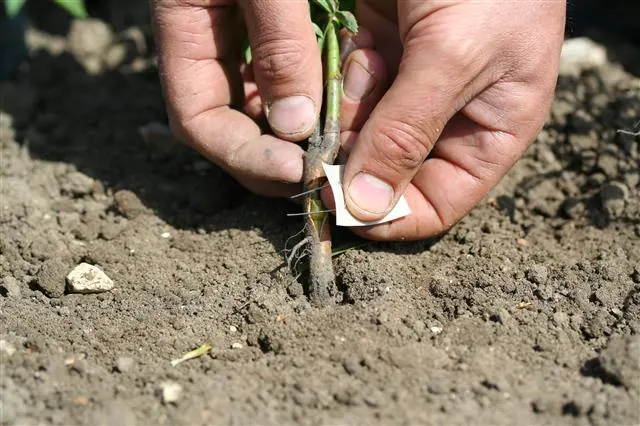
In early spring, as soon as the weather and soil allow, rootstocks are planted.
That summer the rootstocks are budded with scion wood from the mother variety, and kept weed free so the new bud can develop. In autumn the growth above the bud is cut off so it can continue to establish.
The newly budded roses flourish and flower in the summer.
In autumn lifting begins, and the roses come into the shed for grading and trimming. Potting continues through winter into spring, using cold storage to extend the season.
The freshly potted roses are set out on growing beds.
Depending on timing and variety, they are ready for sale or stay in place until the buds are ready to burst into colour. Then they are picked to order, prepared and packed.
We work with breeders from around the world to select the best varieties from their breeding programmes. Varieties are rigorously tested for health, fragrance, and pot and garden performance, and many have already won awards at rose trials around the world.
Meilland International
For six generations the House of Meilland’s passion for colour, scent and shape has inspired their breeding programme.
Warner’s Roses
From his Shropshire base Chris Warner has bred innovative varieties for today’s gardens. His Persica hybrids are great for wildlife, and his patio climbers bring height and colour to small spaces.
Gareth Fryer Roses
A prolific breeder with five Roses of the Year to his name, Gareth introduces highly commercial varieties from his base in Cheshire.
Noack Roses
A highly commercial German breeder responsible for one of the world’s most successful rose brands, Flower Carpet, as well as our own Home Florist and Precious roses.
Kordes Roses
Established in Germany in 1887 and now in its fourth generation, the Kordes family follows the philosophy of founder Wilhelm Kordes I: award winning, disease resistant, healthy garden roses.
Poulsen Roses
A Danish breeder and world leader in pot rose breeding for both indoor and garden use.
Growing for the future
Our sustainability strategy covers everything from the soil our roses grow in to the pots they leave in.
Soil health
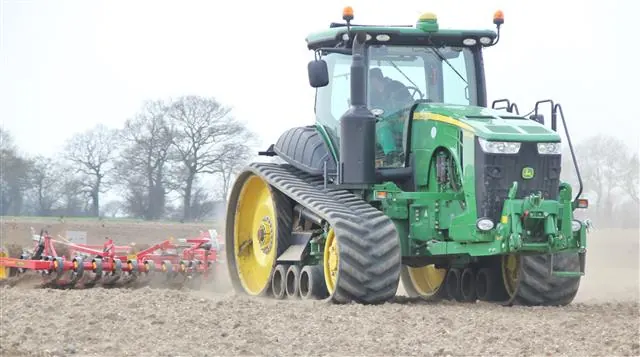
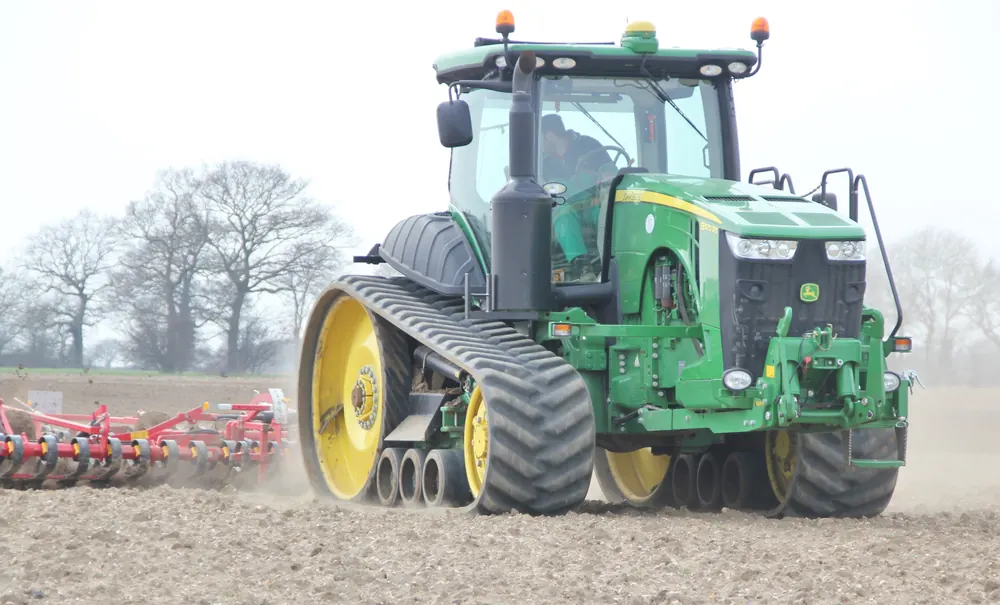
Our tractors run on tracks rather than wheels, which reduces their impact on the soil. All waste plant material from grading and trimming goes onto a compost heap, which takes three years to rot before it is spread on land where roses are not grown. Where the growing environment allows, we use predators to control pests.
Breeding and variety selection
We work actively with breeders to develop the best performing varieties that are drought resistant and need less water. A focus on improved health also reduces the need for chemicals in the garden.
Water and energy
Since 2012 we have fitted solar panels on our production buildings and cold stores, with additional power from a wind turbine. Our ‘Eco Pond’ captures run-off from the Jacksons and South Green sites and filters it through reed beds into our reservoirs, and 90% of surface run-off at Weybread is collected and recycled. A new 23,000m³ reservoir, filled entirely from winter run-off, will support our field production.
Wildlife
Wildflower meadows are sown on land not in rose production, and bird feeding areas are set into the headlands of active rose fields to provide small seeds for farmland birds through autumn and winter. The flowering plants also benefit bumblebees, solitary bees, butterflies and hoverflies.
Materials and plant health
Our roses spend two years in the field with zero peat. When potted, we use a compost lower in peat and higher in wood fibre and bark which, with a bark topping, makes our plants 50% peat free, and trials are under way to go completely peat free. Pots and colour labels are recyclable (check locally), we seek organic options wherever possible, and our fleet is moving to electric and petrol hybrid vehicles.
Planting and caring for your roses
Our advice for getting the best from a Whartons rose, in the garden or in a patio pot.
Planting in the garden
Before you start, with the plant still in its pot, water well or dunk it in a bucket of water until air bubbles stop rising. Dig a hole deep enough to plant the first 3–5cm of the branches below soil level and wide enough for the root ball.
Mix organic matter, such as well rotted manure or planting compost, into the bottom of the hole along with rose food, and add a measure of mycorrhizal fungi following the manufacturer’s guidelines to aid establishment. Mix planting compost and rose food into the soil you removed.
Remove the rose from its pot and place it in the hole so it sits 3–5cm below the soil level. Replace the soil, firming as you go, and water in thoroughly.
Planting in a patio pot
Choose a large pot, at least 35cm in diameter, with drainage holes in the bottom. Add a layer of large shingle or rocks for extra drainage, then plant as above using a loam-based compost such as John Innes No. 3. Leave at least 3cm between the soil level and the top of the pot to make watering easier.
Planting in autumn
Our roses are field grown and potted through autumn and winter. Depending on when you plant, some compost may fall away when the rose comes out of its pot. If this happens, combine that compost (which contains a slow release fertiliser) with the soil you back fill around the rose, firming well around the roots as you go.
Watering, feeding and pruning
Keep roses well watered until established, and keep roses in patio pots thoroughly soaked, especially through the summer. Feed with a rose fertiliser in spring and summer. We also recommend Uncle Tom’s® Rose Tonic as a spray throughout the growing season.
Remove faded flowers to encourage repeat flowering. Prune in March or before new growth starts, reducing all growth by a third to a half, and remove any dead, diseased, spindly or badly crossing stems, cutting back to the base of the plant.
Cutting roses for the house
Cut stems as a bud shows colour and the outer petals start to unfurl, trimming at the length you want just above a leaf. Remove all the leaves apart from the top one or two and stand the stems in fresh water.
Work with us
Whartons Garden Roses is a third-generation family business with two sites just outside Harleston, Norfolk, growing and supplying over 1.5 million roses to garden centres throughout the UK every year.
General nursery worker
We have opportunities for enthusiastic, energetic people to join our production teams at varying levels of responsibility. Tasks cover all aspects of rose production, including planting, propagation, grading and preparing roses for despatch. Applicants must be physically fit and happy to work at pace. The roles suit anyone looking to start or further a career in horticulture who enjoys outdoor teamwork.
These positions are full time, Monday to Friday, with some seasonal overtime and opportunities to progress within the company. Wages depend on experience and role. Candidates without plant experience will be considered and full training will be given.